Who is Mike Dippolito
I am writing about a man who did not seek fame, yet found himself at the center of a story that captured national attention. Mike Dippolito is publicly known as the intended target in a Florida murder for hire investigation that unfolded in 2009. His name became a shorthand for a case that mixed reality television, courtroom drama, and the strange theater of a police sting. Before and after that extraordinary event, he had an ordinary life by comparison, with business pursuits, mistakes he owned, and a steady push to rebuild.
Public accounts describe him as having a prior conviction from the early 2000s. He served his sentence, returned to civilian life, and worked in entrepreneurial and real estate ventures around Palm Beach County. When the murder for hire plot came to light, the spotlight followed, and it has never completely dimmed. The arc of his public story reads like a lightning strike at noon, sudden and blinding, then a long walk back to daylight.
Family and personal relationships
I focus on relationships that are named in the public record. Private details not commonly reported by reputable outlets are not included.
The relationship most widely known is his marriage to Dalia Dippolito. They married in early 2009, and just months later police recorded a sting operation in which Dalia arranged for what she believed was a hit man to kill Mike. The planned murder did not happen. The police staged a scene, removed Mike for his safety, and later prosecuted Dalia. Mike was the intended victim and later a witness at trial. His testimony and public reactions became part of the case narrative and its coverage.
Before marrying Dalia, Mike had been married to another woman. Major coverage mentions a previous marriage and a quick divorce followed by his marriage to Dalia. The earlier spouse is not consistently named in mainstream reporting, and I keep that boundary here. The public focus stayed on the whirlwind timeline, not the private identity of his prior partner.
Years after the trials, human interest stories described Mike as having moved forward in his personal life, becoming engaged to a woman named Gloria. Those pieces noted that he had found love again and was looking ahead. In a saga that often replayed the same scenes, this felt like a fresh frame, quieter and personal.
Beyond family and romantic ties, several figures are connected to Mike in public reporting because of their roles in the case. Mohamed Shihadeh appears by name as a cooperating figure who had interactions with Dalia and later assisted police. His involvement, and later his death, were reported as side stories that radiated from the central case. In court, Judge Glenn Kelley presided over key proceedings, and Dalia’s defense attorney, Brian Claypool, became a familiar name on camera and in print. They are not family to Mike, but they occupy space in the story that surrounds him.
What mainstream outlets do not reliably list are the names of Mike’s parents or any children. The press zeroed in on the case itself and the courtroom outcomes, leaving most private family details offstage. I honor that boundary.
Career and legal background
The public picture of Mike’s work life is that of an internet entrepreneur and later a real estate operator. Reporters wrote about him as a businessman who was rebuilding after earlier mistakes. He had a criminal conviction in the early 2000s related to fraud and grand theft, and he served time. The past did not vanish. It reappeared in court, echoed in coverage, and at times colored public perception. Yet it was framed as part of a longer story about second chances and the path back to normalcy.
When the murder for hire case erupted, Mike’s career took a back seat to survival and process. He became the witness, the man in the staged footage, the person you see reacting to a police setup that was designed to protect him and catch the plot. His work after the trials returned to real estate and business activity. It was the ordinary work of making a living, re-centering after a jolt that could have permanently unmoored anyone.
No credible public net worth figure exists for him in major financial or news reporting. There are references to assets and savings in the context of courtroom narratives, but nothing that rises to the level of a verified, comprehensive picture. That absence matters, and I avoid speculation.
Public attention and evolving narrative
The case drew cameras the way a lighthouse draws ships. A police sting, a viral clip, courtrooms filled, retrials, appeals, and a final conviction for solicitation to commit first degree murder. Mike did not ask for the stage lights, but they followed him. National programs aired documentaries and special segments that replayed his role in the investigation. Local stations carried each twist. True crime outlets revisited the timeline in winter reruns and anniversary features.
There is a strange math to notoriety. One story can define how a person is known in public, flattening a life into a headline. I try to unfold the headline. Mike’s public narrative includes redemption after earlier legal trouble, an ordinary pursuit of business, a sudden collision with a criminal plot, the hard work of testimony, and a choice to move forward in personal life. In that sense, his story conjures the image of a man walking against the wind, steady and alert, choosing his steps.
Recent mentions and timeline
Before 2009, Mike had already passed through the criminal justice system and returned to work. The snapshot of those years is sparse in mainstream features, with brief descriptions of business ventures and a focus on the fact of his prior conviction rather than the details of day-to-day life.
In late 2008 and early 2009, he met Dalia. They married quickly. The pace of their relationship became part of the narrative, a marker used by writers to set the tempo of the story.
In mid 2009, police in Boynton Beach conducted a sting operation. An undercover officer posed as a hit man. Dalia was recorded making arrangements. Officers staged a crime scene at Mike’s home, removed him, and filmed Dalia’s reaction when she arrived. The footage went wide, and the case moved through charging and trial.
In 2011, Dalia was convicted at her first trial. That conviction was later overturned on appeal. What followed were more court dates, more coverage, and the long drumbeat of process.
A retrial in 2016 resulted in a hung jury. In 2017, a new retrial produced a conviction. The judge sentenced Dalia to a substantial term. Mike testified and participated in the proceedings as the intended victim and a witness.
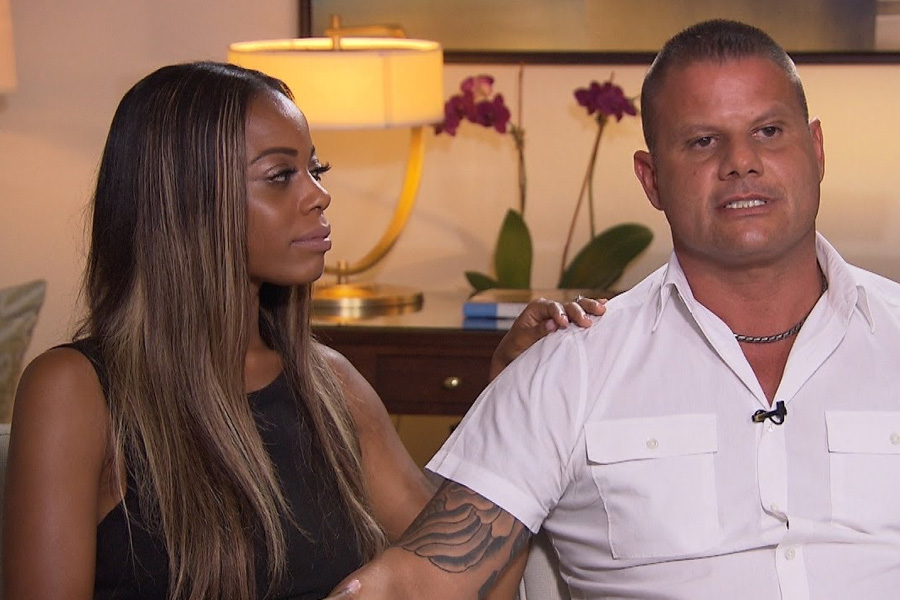
After the 2017 conviction, coverage shifted tone. Instead of daily court filings, stories focused on what life looked like after the gavel. Mike appeared in interviews that framed him as a person trying to rebuild, engaged to Gloria, working, and stepping out of the shadow of viral fame.
True crime retrospectives have continued to revisit the case in subsequent years. They update viewers, replay evidence, and ask where the principal figures are now. In these updates, Mike is often described in short strokes. The man at the center. The survivor. The witness.
Frequently asked questions
Who is Mike Dippolito
He is the man publicly known as the intended victim in a 2009 Florida murder for hire plot involving his then wife, Dalia Dippolito. He had a prior conviction in the early 2000s, returned to civilian life, and worked in business and real estate. His name appears in court records and in widespread news and documentary coverage of the case.
What is known about his earlier legal history
Mainstream reporting describes a fraud and grand theft conviction from the early 2000s. He served time and later returned to work. That history was discussed during trial coverage and became part of the public framing of his life before the case.
Who are the people publicly connected to him
The most prominent is his ex wife, Dalia Dippolito. Coverage also mentions an earlier spouse whose name is generally not published, and a later partner named Gloria, described as his fiancée in human interest stories. Mohamed Shihadeh appears in the case history as a cooperating figure. Courtroom names linked to the trials include Judge Glenn Kelley and Dalia’s defense attorney, Brian Claypool.
What happened in 2009
Police caught Dalia planning a hit. They constructed a crime scene in Mike’s house, removed him for safety, and confronted her. The case was tried and appealed. The intended target and witness was Mike.
Did Mike seek public attention after the trials
He appeared in interviews and features that focused on rebuilding his life. He was described as working in real estate and engaged to Gloria. The tone of those stories was human interest rather than sensational.
Is there reliable public information about his birthdate or net worth
There is no widely published, verified birthdate for him in major outlets, and no credible net worth estimate. Public reporting generally avoids private financial details and sticks to the case timeline, trial outcomes, and brief work descriptions.
Does he have children
Mainstream coverage does not reliably list children or other immediate family details for him. The public narrative centers on the case, the trials, and his life afterward without expanding into private family records.
Why is his name still in the news
True crime programs and retrospective features continue to revisit the case. They update audiences, replay the sting footage, and ask what happened to the people involved. Mike’s role as the intended victim and witness places him at the center whenever the story resurfaces.