The Man Who Wore Two Crowns
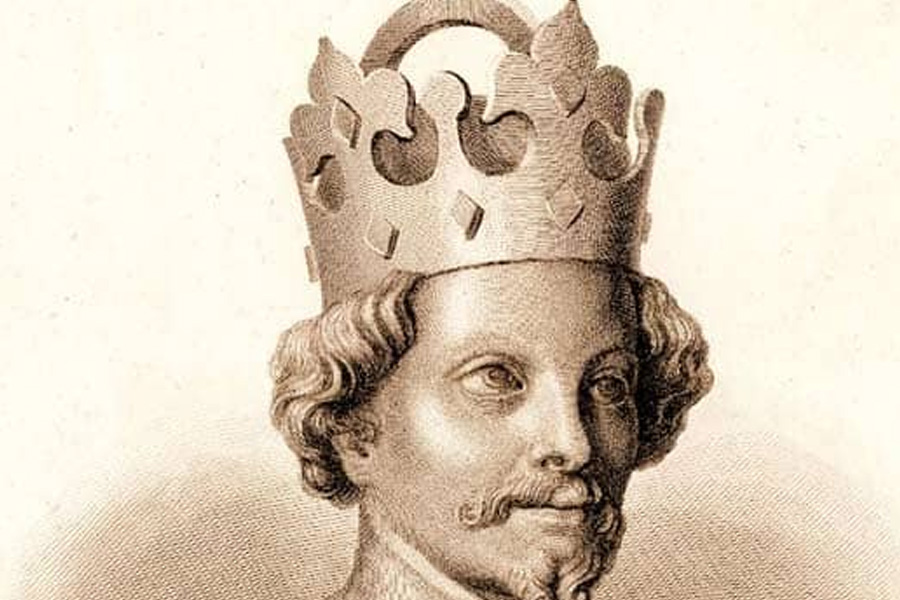
The contrasts of Wenceslaus Iv Of Bohemia fascinate me. He entered history as a Luxembourg infant born in Nuremberg on February 26, 1361. He succeeded his father on 29 November 1378 after being crowned King of Bohemia at two on 15 June 1363 at St. Vitus Cathedral in Prague. His title was King of the Romans from 10 June 1376 to 1400. His 41-year reign was distinguished by noble rebellions, religious upheaval, and cultural magnificence
Despite being called the Idle, Wenceslaus Iv of Bohemia led an artistically vibrant court. The illuminated Wenceslas Bible, a tribute to his father, was commissioned between 1390 and 1400. Prague remained a learning hub under him. Yet political storms raged. In 1394, his relatives imprisoned him and he gave councils everyday power while retaining his titles. He died unexpectedly from a heart attack while hunting near Kunratice castle on August 16, 1419. He was buried at St. Vitus Cathedral without descendants. His absence gave his half brother the Bohemian throne and sparked the Hussite Wars. A golden tapestry with torn edges describes his existence.
The Family Web That Shaped His World
Family defined Wenceslaus Iv Of Bohemia more than any battlefield or decree. I see the Luxembourg dynasty as a vast oak tree with roots deep in Central Europe and branches that both supported and entangled him. Here I lay out each relative with the details that bring their roles alive.
Charles IV stood as his father from 1316 to 1378. Holy Roman Emperor and King of Bohemia he built Prague into a Gothic jewel and crowned his young son early to secure the line. His habit of splitting lands among kin created the very rivalries that tested Wenceslaus Iv Of Bohemia daily.
Anna von Schweidnitz served as his mother from about 1339 to 1362. Linked to Silesian Piast nobility through her parents she died when he was only one year old. Her passing left him under the guidance of his father and archbishops during those critical early years.
John of Bohemia his paternal grandfather from 1296 to 1346 fought as a legendary warrior. Known as John the Blind he fell at the Battle of Crecy yet his marriage secured the Luxembourg claim to Bohemia and passed that warrior spirit into the family blood.
Elisabeth of Bohemia his paternal grandmother tied the line to earlier kings. Daughter of Wenceslaus II of Bohemia she married John of Bohemia and embedded the Premyslid heritage that gave Wenceslaus Iv Of Bohemia his claim to the throne.
Henry II his maternal grandfather ruled as Duke of Swidnica. Through him the family gained strong Silesian connections that bolstered alliances across the region.
Catherine of Hungary his maternal grandmother wove Hungarian royal threads into the fabric. Her Piast lineage strengthened ties that later influenced diplomacy and marriages.
Wenceslaus II of Bohemia his great grandfather via the paternal grandmother reigned from 1271 to 1305. A formidable ruler his daughter Elisabeth carried the royal legacy forward cementing the foundation for four generations.
Anne of Bohemia his half sister from 1366 to 1394 married King Richard II of England in 1382. That union brought financial aid and diplomatic leverage that propped up Wenceslaus Iv Of Bohemia during lean times.
Sigismund his half brother from 1368 to 1437 later became Holy Roman Emperor and King of Hungary. He inherited Brandenburg and acted as both rival and rescuer. Their bond mixed rivalry with uneasy support as Sigismund briefly imprisoned him in 1402 before helping restore order.
John of Gorlitz his half brother from 1370 to 1396 received the Duchy of Gorlitz in Upper Lusatia. He offered occasional defense against noble uprisings showing flickers of loyalty amid the dynastic fractures.
Joanna of Bavaria entered as his first spouse. Married on 29 September 1370 she died on 31 December 1386 from a chronic lung condition. The union produced no surviving children and ended after 16 years.
Sophia of Bavaria became his second spouse on 2 May 1389. A first cousin once removed of his first wife she stood by him through later crises yet bore no children either. Their marriage lasted 30 years until his death.
No legitimate heirs emerged from either union. That childless reality left succession to half siblings and cousins and turned family gatherings into tense negotiations over power.
To clarify the connections at a glance I compiled this table of key relationships.
| Family Member | Relation | Lifespan | Key Contribution or Impact |
|---|---|---|---|
| Charles IV | Father | 1316 to 1378 | Groomed him for rule divided territories |
| Anna von Schweidnitz | Mother | 1339 to 1362 | Linked Silesian nobility early death shaped youth |
| John of Bohemia | Paternal Grandfather | 1296 to 1346 | Warrior who secured Luxembourg claim |
| Elisabeth of Bohemia | Paternal Grandmother | Not recorded | Brought Premyslid royal blood |
| Henry II | Maternal Grandfather | Not recorded | Duke of Swidnica strengthened regional ties |
| Catherine of Hungary | Maternal Grandmother | Not recorded | Added Hungarian alliances |
| Wenceslaus II of Bohemia | Great Grandfather | 1271 to 1305 | Embedded deep Bohemian roots |
| Anne of Bohemia | Half Sister | 1366 to 1394 | English marriage brought aid |
| Sigismund | Half Brother | 1368 to 1437 | Rival successor and occasional ally |
| John of Gorlitz | Half Brother | 1370 to 1396 | Defended during revolts |
| Joanna of Bavaria | First Spouse | Died 1386 | 16 year marriage no heirs |
| Sophia of Bavaria | Second Spouse | 1376 to 1428 | 30 year marriage supported crises no heirs |
The Career That Teetered on the Edge
At 17, Wenceslaus Iv of Bohemia gained power in 1378. He fought to maintain imperial peace among cities and princes as Roman king. War in Swabia and noble leagues in Bohemia opposed him. League of Lords mandated power-sharing by 1396. He pawned crown lands, mortgaged rights, and made creditor debt arrangements to save the treasury. Silver mines at Kutna Hora and stable Prague groschen coins made Bohemia rich, but volatility ravaged its finances.
His cultural achievements shine brightest. He supported Prague University and workshops that produced exquisite manuscripts. Even as politics collapsed, they attempts preserved the dynasties’ status. Financial stress dominated his work. He paid Jewish lenders magnificent indemnities to cancel debts, which calmed them temporarily but cost them later. He gave Sigismund Roman crown rights in 1411 while holding Bohemia. His career was a high-wire performance supported by cultural sponsorship.
A Timeline of Pivotal Years
Numbers and dates anchor his journey. I mapped the milestones to show how quickly fortunes shifted.
- 26 February 1361: Birth in Nuremberg.
- 15 June 1363: Child coronation as King of Bohemia.
- 29 September 1370: Marriage to Joanna of Bavaria.
- 10 June 1376: Election as King of the Romans.
- 6 July 1376: Coronation at Aachen.
- 29 November 1378: Full inheritance of Bohemian throne.
- 31 December 1386: First wife dies.
- 2 May 1389: Marriage to Sophia of Bavaria.
- 1393 to 1394: Noble revolt leads to imprisonment.
- 1396: Appoints cousin as governor cedes daily control.
- 20 August 1400: Deposition as King of the Romans.
- 1402: Brief imprisonment by half brother then restoration.
- 1411: Relinquishes Roman claims.
- 1415: Fails to halt execution of reformer Jan Hus.
- 16 August 1419: Death at Kunratice.
Each entry marks a turn in the road from promise to pressure.
Echoes in Modern Conversations
Even centuries later Wenceslaus Iv Of Bohemia surfaces in quiet corners of discussion. I notice mentions tied to illuminated manuscripts and castles like Tocnik that he founded. History enthusiasts share posts about his court art or the transition to Hussite times. Gaming communities reference the era in titles such as Kingdom Come: Deliverance. No daily headlines appear yet the ruler lingers in cultural heritage talks and medieval forums. His story still sparks curiosity about power family and legacy.
FAQ
Who were the parents of Wenceslaus Iv Of Bohemia?
His father was Charles IV the Holy Roman Emperor who reigned from 1316 to 1378. His mother was Anna von Schweidnitz who lived from about 1339 to 1362 and linked the family to Silesian nobility.
Did Wenceslaus Iv Of Bohemia have any children?
No. Neither marriage to Joanna of Bavaria nor to Sophia of Bavaria produced surviving legitimate heirs. Succession passed through half siblings.
Why did electors remove Wenceslaus Iv Of Bohemia as King of the Romans?
They cited negligence failure to maintain peace and a reputation for idleness. The deposition occurred on 20 August 1400 ending his imperial role.
What cultural marks did Wenceslaus Iv Of Bohemia leave?
He sponsored the Wenceslas Bible a stunning illuminated work from 1390 to 1400 and backed Prague University keeping artistic life vibrant amid turmoil.
How did family divisions affect his rule?
His father split territories among relatives which created rivalries. Half brothers like Sigismund both challenged and aided him turning kinship into a double edged sword.