A Life Rooted in Art and Family
I first came to know Sarah Sanders Hoover as a figure who moves comfortably between the white walls of galleries and the messier rooms of everyday life. Born around 1983 in Indianapolis and taken as a baby to Galveston, Texas, her story feels like a map drawn across America, with Midwestern steadiness and coastal ambition sharing the page. She studied art history at NYU, then deepened her lens with a master’s in cultural theory at Columbia. That scaffold of ideas and images has supported everything she has done since.
Her early path was classic art world apprenticeship. In 2007, she stepped into Gagosian Gallery as a gallery assistant and began the long climb that defines many careers in culture. Over time, she became known not just for sales and artist relations but for the connective tissue work that pulls different disciplines into a shared space. She grew from steward to conductor, and that growth says as much about her curiosity as it does about her stamina.
The Gagosian Arc and Beyond
Fourteen years at Gagosian is its own education. Hoover advanced to director, working at the intersection of artists, collectors, and institutions. If you picture the art market as a tide, she learned how to read its currents and steer its boats. She was one of those behind-the-scenes figures who shape public perception of art by arranging the circumstances in which we encounter it.
After 2021, she pivoted. Independent curation and writing gave her something new, a voice unmoored from a single institution. She has written about motherhood, expectations, and contemporary culture, with essays that skirt the border of personal and critical. The tone is candid, sometimes sharp, and often warm. I hear someone turning the kaleidoscope as she speaks, and each turn reveals a thematic pattern in a new color.
Hoover also helped build bridges beyond galleries. Co-founding the Accelerator Committee at American Ballet Theater, she encouraged collaboration across art, fashion, film, and choreography. That kind of coalition work keeps culture nimble. It is how new forms happen.
A Marriage of Creative Orbits
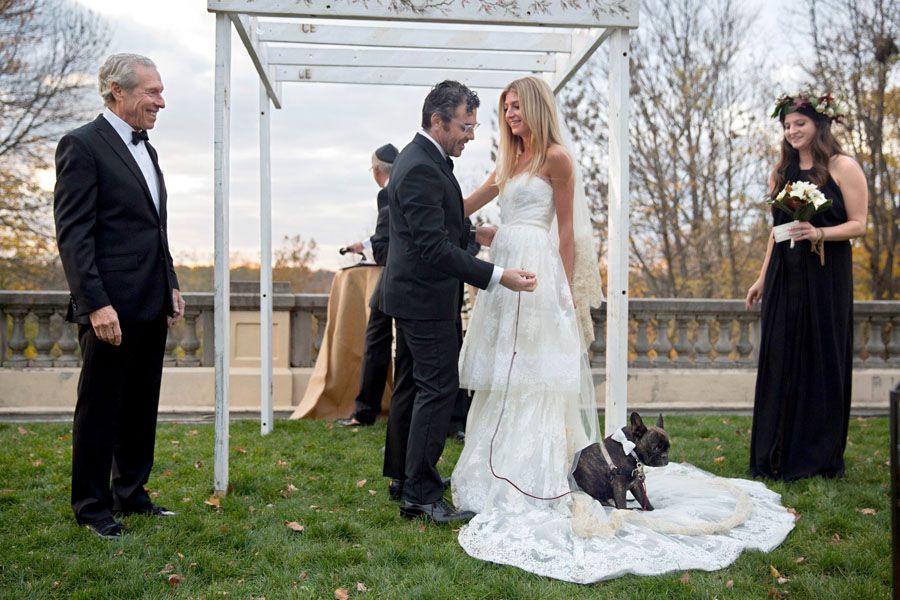
Sarah met the artist Tom Sachs in 2007, and their relationship unfolded in parallel with her rise at Gagosian. They married in 2012 and have two children, a son named Guy and a daughter named Winifred. The marriage has appeared, to me, like two planets with their own gravity trying to find a shared orbit. Creative households are often intense. Their home life, from public glimpses, includes laughter, friction, ritual, and a relentless schedule.
Like many art world workplaces, Sachs’s studio has faced scrutiny. Allegations surfaced in 2023 about demanding conditions and pay. Hoover’s name appeared in some accounts related to oversight of assistants. It is important to remember that these are allegations and that such debates about labor and ethics are not unique to one studio. They are part of a broader conversation about how creativity gets produced and who bears the weight.
The Motherload and Candid Storytelling
In 2025, Hoover published a memoir titled The Motherload. If her earlier writing hinted at the complexities of parenthood, the book opened the door and invited readers inside. It deals with postpartum challenges, mental health, intimate tensions, and the emotional recalibration that arriving children demand. The prose feels like a hand on the shoulder and a mirror to the face. It is generous and quite brave.
The Motherload became a bestseller and is in development as a TV series. Hoover’s memoir also stirred family conversation. A sister publicly accused her of sharing private details without consent. The dispute underscores a timeless dilemma for writers. How do we tell the truth of our lives when our lives belong to others too. I do not pretend to hold the answer. I only note that Hoover has insisted on candor, and that candor carries both illumination and risk.
Family Ties and Influences
No portrait of Sarah lands without her mother, Martha Hoover. Martha is a renowned restaurateur in Indianapolis, the force behind Cafe Patachou, and a leader admired for ethical sourcing and community impact. You can feel Martha’s entrepreneurial spine in Sarah’s career. The willingness to build systems, invent committees, write the manual and then rewrite it. It’s a family trait.
The family remains close. Siblings include Rachael and likely Dana, both in Indianapolis. The father is not a public figure in the way Martha is, and that privacy seems to reflect a wider family tendency to protect what matters. Hoover speaks of her mother as a best friend and potential collaborator. A city like Indianapolis offers a kind of groundedness that can be a counterweight to New York’s velocity. In Sarah’s story, I sense a permanent tether to those first addresses.
Home, Resources, and Privacy
Financial comfort is part of the picture. In 2017, Hoover purchased a Manhattan penthouse at a price that signals success by any measure. Her exact net worth is not public, and that is unsurprising. Many art world careers accumulate value in uneven ways, through salaries, sales, royalties, and property more than simple lists of numbers. What I perceive is stability mixed with the unpredictability that always accompanies independent creative work.
Where She Is Now
Hoover’s present feels energetic. She continues to write and speak about art, motherhood, and culture. In 2025, she was honored by Youth America Grand Prix, reflecting her sustained support for dancers and young artists. On social media, she engages an audience of tens of thousands, and the posts read like dispatches from a life lived in galleries, kitchens, studios, nurseries, and rehearsal rooms. The TV adaptation of The Motherload moves forward. The momentum is real.
FAQ
Who is Sarah Sanders Hoover?
Sarah Sanders Hoover is an art curator, writer, and cultural critic who spent 14 years at Gagosian Gallery before moving into independent work. She is known for her essays on motherhood and for The Motherload, her 2025 memoir.
How old is she?
She is approximately in her early forties, born around 1983.
What is her educational background?
She studied art history at New York University and earned a master’s degree in cultural theory from Columbia University.
Who is she married to?
She is married to contemporary artist Tom Sachs. They met in 2007 and married in 2012.
Does she have children?
Yes. She has a son named Guy and a daughter named Winifred.
What is The Motherload about?
The Motherload explores the emotional and physical realities of postpartum life, the strains and joys of marriage and motherhood, and the search for identity that accompanies major change.
Has she been involved with dance institutions?
Yes. She co-founded the Accelerator Committee at American Ballet Theater to foster collaboration across art, fashion, film, and choreography. She was also honored by Youth America Grand Prix in 2025.
What controversies has she faced?
In 2023, allegations emerged about demanding conditions and pay practices at Tom Sachs’s studio. Hoover’s name appeared in some accounts connected to oversight of assistants. These remain allegations and are part of wider art world debates about labor and ethics.
Is she connected to Martha Hoover of Cafe Patachou?
Yes. Martha Hoover is Sarah’s mother, a prominent restaurateur based in Indianapolis known for ethical sourcing and community engagement.
Where does she live?
She has resided in New York City and purchased a Manhattan penthouse in 2017. Exact current addresses are private.
What is known about her net worth?
Her net worth is not publicly disclosed. Real estate purchases and a long career at a major gallery suggest financial comfort, but exact figures are private.
Did she leave Gagosian?
Yes. She left Gagosian after a tenure lasting from 2007 to 2021 and transitioned to independent curation, writing, and cultural advocacy.
Will The Motherload become a TV series?
Development is underway for a TV adaptation of The Motherload. As with any development, timelines can shift, but the project has been announced and is moving forward.